




Weight-loss medicines: how do they fit into obesity treatment?
Published Oct 12, 2026 • By Léonie Guerut
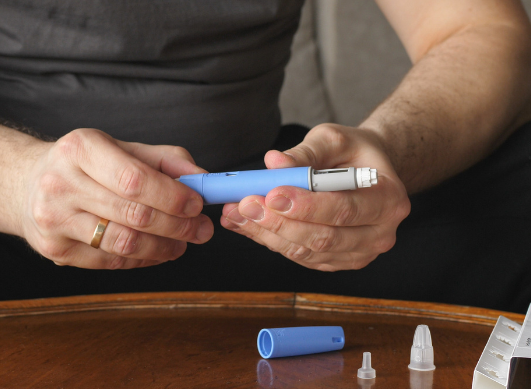
Managing obesity may include medication when nutritional support and physical activity alone do not provide sufficient weight loss or improvement in health.
In recent years, medicines such as semaglutide and tirzepatide have attracted considerable attention. They act on hormone pathways involved in appetite and fullness.
These treatments are intended for specific medical needs, rather than simply changing someone’s appearance. Their use requires an assessment and ongoing support from a healthcare professional.
Which medications are used to treat obesity?
Several prescription medications can support weight management in eligible patients.
Examples include:
- Semaglutide, marketed as Wegovy for weight management;
- Tirzepatide, marketed as Zepbound for weight management in the US;
- Other options, including liraglutide, orlistat, naltrexone/bupropion and phentermine/topiramate, depending on the person’s circumstances.
Mounjaro also contains tirzepatide, but its US indication is for type 2 diabetes. Brand names and approved uses therefore matter.
The choice of medication depends on overall health, body mass index (BMI), weight-related conditions, other medications and potential risks.
How do weight-loss medications work?
Some newer treatments act on receptors for gut hormones involved in regulating appetite.
Semaglutide is a GLP-1 receptor agonist. Tirzepatide acts on both GIP and GLP-1 receptors.
These medications can reduce hunger, increase feelings of fullness and help people eat less. Other weight-management medications work differently. For example, orlistat reduces the amount of dietary fat absorbed in the gut.
Medication is used alongside an appropriate eating plan and physical activity adapted to the person’s health and abilities.
Who are these treatments for?
Weight-management medications are not suitable for everyone who wants to lose a few pounds.
For adults, medications such as Wegovy and Zepbound may be prescribed for:
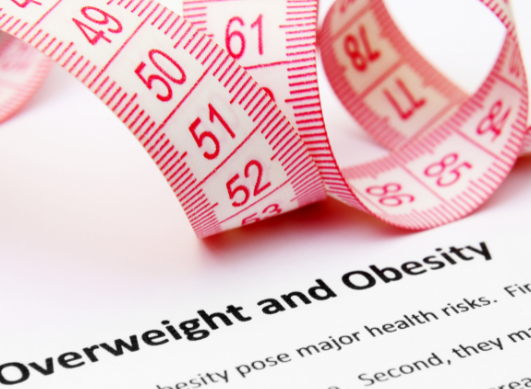
- Obesity, with a BMI of 30 kg/m² or higher;
- Overweight, with a BMI of 27 kg/m² or higher, together with at least one weight-related health condition, such as high blood pressure or type 2 diabetes.
Meeting a BMI threshold does not automatically mean that a medication is appropriate. The prescriber also considers medical history, possible interactions, treatment goals and contraindications.
Insurance coverage is separate from medical eligibility. Coverage, prior authorization requirements and out-of-pocket costs vary by plan.
What are the possible side effects?
Like all medications, obesity treatments can cause side effects.
With semaglutide and tirzepatide, common side effects mainly affect digestion:
- Nausea;
- Diarrhea;
- Vomiting;
- Constipation;
- Abdominal discomfort.
Less common but serious problems can include pancreatitis, gallbladder problems and dehydration-related kidney problems. Low blood sugar is more likely when these treatments are combined with certain diabetes medications.
Seek urgent medical attention for severe, persistent abdominal pain, especially if it spreads to the back or occurs with vomiting.
In the US, Wegovy and Zepbound carry a boxed warning about thyroid C-cell tumors observed in rodents. It is not known whether they cause these tumors in humans. They should not be used by people with a personal or family history of medullary thyroid carcinoma or multiple endocrine neoplasia syndrome type 2 (MEN2).
These treatments should not be used for weight loss during pregnancy. Discuss pregnancy plans and contraception with your prescriber. Tirzepatide can reduce the effectiveness of oral hormonal contraception when treatment starts and after dose increases.
Can you take weight-loss medication without medical supervision?
Wegovy and Zepbound require a prescription and appropriate medical follow-up.
They should not be used solely for cosmetic weight loss without a medical indication. A clinician needs to assess whether the expected benefits outweigh the risks.
Although lower-dose orlistat is available over the counter in the US, it is not suitable for everyone. A pharmacist or healthcare professional can advise on its use.
Buying products from unverified websites or social media sellers can expose people to counterfeit or inappropriate medicines. Use a licensed pharmacy and avoid products sold without the assessment or prescription they require.
Do medications replace nutrition and physical activity?
No. Medication is one part of comprehensive obesity care.
Nutritional support and physical activity remain important during treatment. These should be realistic, sustainable and adapted to the person’s medical needs.
The aim goes beyond lowering the number on the scale. Treatment should also support health, daily functioning and quality of life, while addressing weight-related complications.
Needing medication is not a personal failure. Obesity is a chronic condition, and different people need different forms of support.
What happens after treatment stops?
Stopping obesity medication should be discussed with the prescribing clinician.
Weight regain is common after stopping semaglutide or similar treatments. Research has shown that a substantial proportion of lost weight can return after treatment withdrawal, although the amount varies between individuals.
This reflects the ongoing nature of obesity and the return of appetite-related effects when treatment ends. It does not mean that someone has failed.
Some people may benefit from long-term treatment. Decisions about continuing, changing or stopping medication should consider its benefits, side effects, affordability and the person’s preferences. A follow-up plan remains important after treatment stops.
Weight-loss medications: what should you remember?
Obesity medications can be useful treatments for eligible patients. Semaglutide and tirzepatide are among the options used to support weight management.
They require an individualized care plan, including nutritional support, physical activity and medical monitoring.
If you are considering treatment, speak with a healthcare professional about your health needs, treatment goals, possible side effects and insurance coverage.
Click Like and share your thoughts and questions with the community in the comments below!
Take care of yourself!
 Facebook
 Twitter
Sources:
NIDDK: Prescription medications to treat overweight and obesity - Overview of treatment options, eligibility and long-term care.
FDA: Approval of Zepbound for chronic weight management - US indication and mechanism of action.
FDA: Wegovy prescribing information - Contraindications, warnings and adverse reactions.
FDA: Zepbound prescribing information - Safety information and prescribing precautions.
Wilding and colleagues: Weight regain and cardiometabolic effects after withdrawal of semaglutide: The STEP 1 trial extension - Research on weight changes after treatment withdrawal.