Psoriasis and intimate life: how can you regain your self-confidence?
Published Oct 28, 2026 • By Razarutheen Mustafa
Living with psoriasis can affect more than your skin. For some people, visible plaques, itching or discomfort can make dating, physical intimacy, and relationships feel more complicated. Worrying about a partner's reaction or feeling uncomfortable in your own body may gradually affect your self-confidence.
But psoriasis does not have to define your love life. How can you feel more comfortable with intimacy, communicate with your partner and rebuild confidence while managing a chronic skin condition?
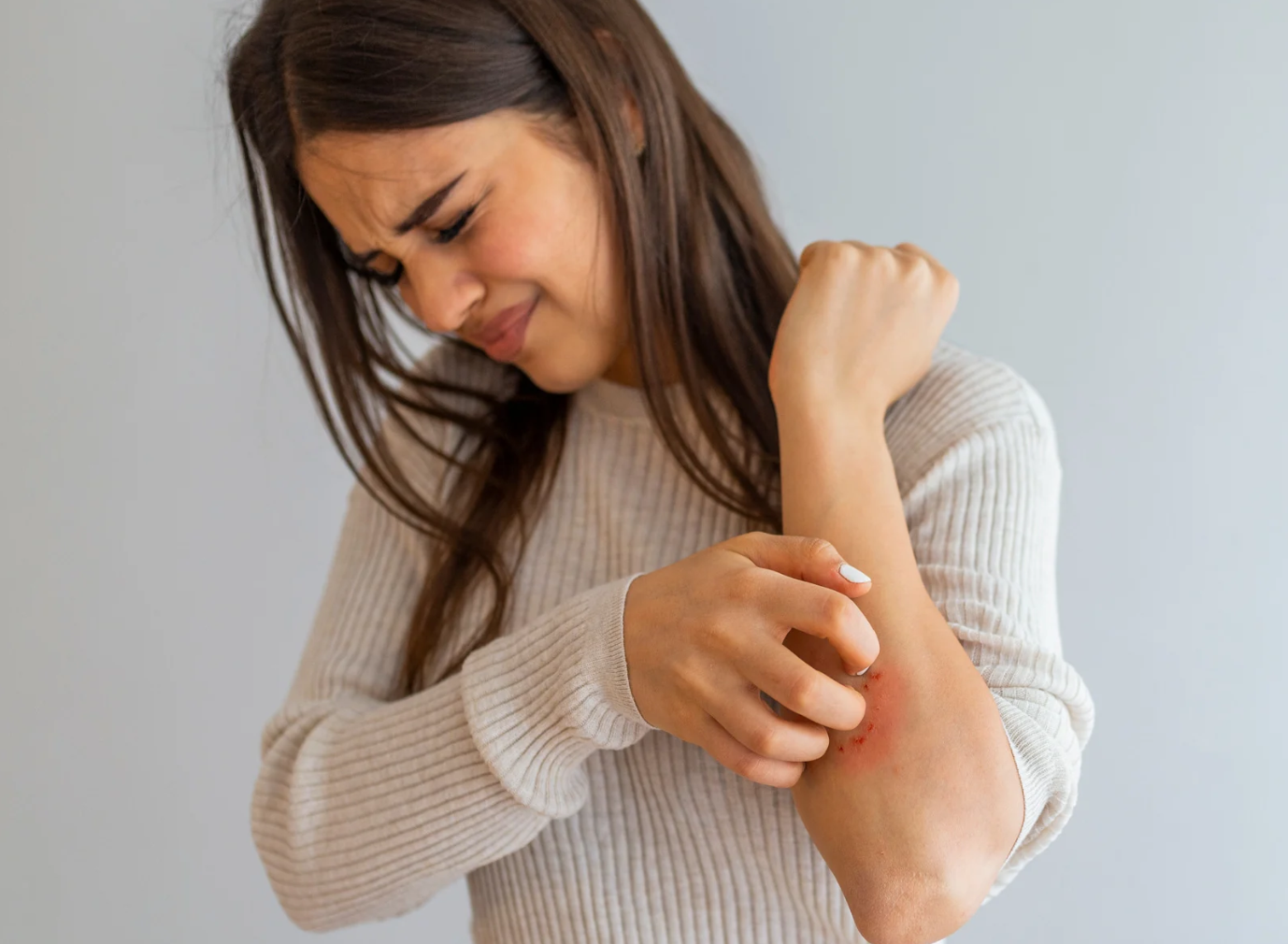
How can psoriasis affect intimacy and relationships?
Psoriasis is a chronic inflammatory skin condition that causes patches of thickened, scaly or inflamed skin. It is not contagious, meaning it cannot be passed to another person through touching, kissing or sexual contact.
However, knowing this does not always remove emotional challenges.
For some people, psoriasis can lead to:
- Body image concerns: Feeling self-conscious about visible plaques or skin changes.
- Fear of rejection: Worrying about how a new partner might react.
- Reduced sexual confidence: Feeling uncomfortable being seen or touched.
- Physical discomfort: Itching, soreness or cracked skin that makes intimacy difficult.
- Relationship tension: Finding it difficult to explain symptoms or changing needs.
These experiences vary. Many people with psoriasis maintain fulfilling romantic and sexual relationships, while others may need time or additional support to feel comfortable.
For a closer look at the emotional impact of the condition, read Carenity's article Psoriasis and self-esteem: Here's how to feel more comfortable in your own skin.
Can genital psoriasis make physical intimacy uncomfortable?
Psoriasis can affect different parts of the body, including the genital area and surrounding skin folds.
Genital psoriasis may cause itching, redness or other skin discoloration, irritation, soreness, and discomfort. Friction during sexual activity can sometimes aggravate these symptoms.
This can make physical intimacy uncomfortable, particularly during a flare-up.
A few adjustments may help:
- Avoid friction when skin is irritated: Take a break from activities that cause pain or discomfort.
- Choose gentle skincare: Fragrance-free cleansers and suitable moisturizers may help reduce irritation.
- Discuss suitable lubricants: Ask a healthcare professional or pharmacist about which products are appropriate for sensitive skin and compatible with condoms.
- Follow your prescribed treatment: Genital skin is particularly sensitive, so treatments suitable for other body areas may not be appropriate.
Importantly, not every genital rash is psoriasis. Other skin conditions and infections can cause similar symptoms, so a GP or dermatologist should assess new or unexplained changes.
If genital symptoms are affecting your intimate life, speak to your healthcare professional rather than trying stronger psoriasis creams without advice.
How can you regain confidence when living with psoriasis?
Regaining self-confidence does not mean you have to feel positive about your skin every day.
It can begin with small changes in how you approach your body, relationships, and personal needs.
1. Separate your self-worth from your skin
Psoriasis is part of your health, but it does not determine your attractiveness, personality, or ability to form meaningful relationships.
If you find yourself avoiding mirrors, social occasions, or dating because of skin concerns, consider what might help you feel more comfortable.
For some people, this may mean choosing clothing they enjoy. For others, it may involve working on negative thoughts about their appearance or seeking emotional support.
2. Talk openly with your partner
You do not need to explain every detail of your condition immediately, especially in a new relationship.
However, sharing what psoriasis is and how it affects you may reduce misunderstandings.
You might say:
“I have psoriasis, which is a chronic inflammatory skin condition. It isn't contagious, but sometimes my skin becomes sensitive, and I may need to adjust certain activities.”
Open communication can help both partners understand boundaries, preferences, and concerns.
Carenity has also explored how chronic conditions influence relationships in Relationships, sexuality and chronic illness: What do patients have to say?
3. Remember that intimacy is not limited to sex
Physical intimacy can include holding hands, cuddling, kissing, massage, or simply spending meaningful time together.
If your skin is particularly sensitive during a psoriasis flare-up, you and your partner can explore other ways of feeling close that are comfortable for both of you.
There is no single definition of a fulfilling, intimate relationship.
Feeling safe, respected and comfortable matters more than meeting expectations about what intimacy should look like.
4. Seek support when psoriasis affects your emotional wellbeing
If fear of rejection, embarrassment or anxiety is making relationships difficult, speaking to a counsellor or psychologist may help.
Psychological support can be useful for managing body image concerns and the emotional impact of a long-term condition. It is not a suggestion that psoriasis is psychological or that its physical symptoms are imagined.
You may also find encouragement in Carenity's member interview Psoriasis: Don't do this alone! Open up! Talk about it!, which explores self-acceptance and living with the condition.
When should you speak to your doctor about psoriasis and intimacy?
If psoriasis is causing pain during intimacy, persistent genital irritation, distress about your appearance or difficulties in your relationship, consider speaking to your GP or dermatologist.
You can prepare for your appointment by noting:
- Affected areas: Where the symptoms occur, including sensitive or genital areas.
- Physical symptoms: Itching, soreness, cracking, bleeding, or discomfort during intimacy.
- Flare-ups: Whether symptoms worsen with friction, certain products or other possible triggers.
- Current treatments: Creams, ointments or other psoriasis medicines you use and any side effects.
- Emotional impact: Changes in self-confidence, relationships, or sexual wellbeing.
Your doctor can assess whether your psoriasis treatment needs reviewing and discuss options appropriate for sensitive areas.
Depending on the severity and location of psoriasis, treatment may include prescribed topical medicines, phototherapy, or systemic treatments. Do not apply potent steroid creams or other prescription treatments to genital skin unless specifically instructed by a healthcare professional.
Seek prompt medical advice if you develop severe pain, open sores, discharge, fever or rapidly worsening symptoms, as these may require assessment for another condition or infection.
Finding support in the Carenity psoriasis community
Sometimes, hearing how others manage psoriasis and relationships can make it easier to talk about your own concerns.
The Carenity US psoriasis community offers a space to exchange experiences about symptoms, treatments, self-confidence and everyday life.
You can also read the experiences shared in What has and hasn't worked for your psoriasis?
Members' stories may help you identify questions to raise with your doctor, although another person's treatment experience should never replace individual medical advice.
Living with psoriasis may change how you experience intimacy, but it does not diminish your worth or your right to feel comfortable and respected in a relationship. Regaining confidence is not about having perfect skin. It is about finding what helps you feel at ease with yourself and with others.
Frequently Asked Questions
1. Can psoriasis affect your sex life?
Yes. Psoriasis may affect sexual confidence, body image, and physical comfort, particularly when sensitive or genital areas are involved.
2. Is psoriasis contagious through kissing or sex?
No. Psoriasis is not contagious and cannot be transmitted through kissing, touching or sexual contact.
3. Can you have sex with genital psoriasis?
Yes, if you feel comfortable. However, sexual activity may aggravate irritated skin, so avoid painful friction and seek medical advice if symptoms persist.
4. How can I feel more confident with psoriasis?
Open communication, appropriate treatment, emotional support, and gradually addressing negative body image thoughts may help rebuild confidence.
5. When should I see a dermatologist about genital psoriasis?
Seek medical advice if you experience persistent genital itching, pain, skin changes or discomfort during intimacy, especially if the diagnosis is uncertain.
If you found this article helpful, feel free to give it a “Like” and share your thoughts or experiences with the community in the comments below!
Take care!
 Facebook
 Twitter