






Why do we oversleep and still wake up exhausted?
Published Dec 6, 2025 • By Somya Pokharna
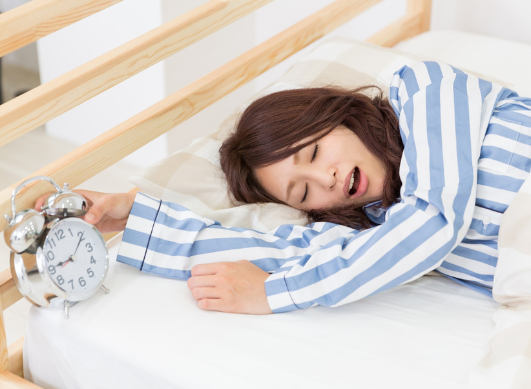
Waking up after ten or eleven hours of sleep and still feeling exhausted can be unsettling. Many people start worrying about their health or feel judged by those around them, as if “sleeping too much” says something about their motivation or character. But oversleeping is almost always physiological or emotional in nature. It’s your body trying to cope with something, whether that’s stress, chronic illness, poor-quality sleep, or an underlying sleep disorder.
If you’ve been reaching for long nights or long naps just to feel vaguely functional, you’re not alone. Oversleeping is far more common than people realise, and it often has very understandable causes.
How much sleep is too much?
Most adults fall somewhere between seven and nine hours of sleep per night. However, that range doesn’t apply to everyone and can shift during illness, emotional strain, or periods of physical recovery.
Oversleeping, or hypersomnia, is generally defined as regularly sleeping more than nine or ten hours per night or feeling like you would sleep much longer if responsibilities didn’t pull you out of bed. But even that isn’t the full picture. What matters most is how refreshed you feel. Someone sleeping ten hours but waking unwell likely isn’t actually oversleeping; they’re trying to compensate for sleep that wasn’t restorative in the first place.
What causes oversleeping?
Poor-quality or fragmented sleep
One of the most common and overlooked reasons for oversleeping is sleep that simply isn’t deep enough. You might technically stay in bed for many hours, but your brain never reaches the deeper stages that support physical and cognitive recovery. People often wake repeatedly without remembering it. Others toss and turn because of pain, inflammation, or discomfort. When your nights are this fragmented, your body naturally pushes you to sleep longer in the hope of catching up on what it missed.
Sleep apnea
Sleep apnea often hides in plain sight. Even people who don’t snore loudly can experience repeated pauses in breathing during the night, which interrupts sleep cycles again and again. Instead of waking up visibly, the brain briefly “micro-awakens” to restart breathing, leaving you in very shallow sleep most of the night.
Morning headaches, overwhelming fatigue, irritability, or difficulty concentrating are all common signs. Many people with sleep apnea describe feeling like they could sleep forever but never feel rested.
Depression, burnout, and emotional overload
Oversleeping is also linked to several mental health conditions. With depression, waking up can feel unbearably heavy, and the body tends to shut down in response to persistent emotional strain. Oversleeping can become a way to protect yourself from feelings that feel too intense to face.
Burnout can create a similar pattern. When you’ve spent months (or years) pushing yourself beyond your limits, your body may demand far more rest than usual. People are often surprised by how much additional sleep they need once they finally stop “running on fumes.”
Chronic illnesses
Many chronic conditions raise the body’s energy needs. Autoimmune conditions, long covid, chronic fatigue syndrome/ME, fibromyalgia, and chronic pain all strain the body’s resources. Metabolic and endocrine conditions like diabetes and thyroid disorders can also cause prolonged sleepiness.
In these situations, oversleeping isn’t laziness or avoidance. It’s the body reallocating energy toward healing, reducing inflammation, and maintaining essential functions. Many people in chronic illness communities describe a kind of exhaustion that sleep doesn’t fully fix, but extra sleep helps them cope.
Medication effects
Several medications can increase sleep duration or deepen sedation more than expected. This includes antidepressants, antihistamines, mood stabilisers, certain blood pressure medications, anti-epileptic drugs, and pain medications. If oversleeping began around the time of a new prescription or dosage change, it’s worth discussing with a clinician.
Circadian rhythm disruptions
Your internal clock is sensitive to light, timing, and routine. Shift work, late-night schedules, excessive screen time, or major changes in daily structure can push your sleep cycle out of sync. When this happens, you might sleep long hours but still feel disoriented or fatigued, as if your body never finds its rhythm.
Nutritional factors and depletion
Low iron, low B12, chronic stress, hormonal changes, and even emotional grief can all raise sleep needs. The body often responds to depletion by increasing rest in an attempt to protect itself.
When should you pay attention to oversleeping?
Oversleeping isn’t always a sign of something serious, but there are moments when it’s worth slowing down and looking a little closer. What matters most is the change you notice in yourself: how long this has been happening, how it affects your days, and whether it feels different from your usual sleep pattern.
You might want to pay attention if you’re seeing things like:
- Sleeping more than nine or ten hours most nights, especially if this is new for you
- Waking up feeling foggy, heavy, or unwell even after long sleep
- Needing long daytime naps just to feel functional
- Struggling to wake up no matter how early you go to bed
- Drifting bedtimes or a sleep schedule that keeps shifting later
- Falling asleep unintentionally during activities, including passive ones like watching tv
- New headaches in the morning or a worsening sense of fatigue
- Changes in your mood, such as irritability, sadness, or anxiety
- Difficulty concentrating, making decisions, or remembering things
- A feeling that your energy has changed in a way you can’t fully explain
Noticing these signs doesn’t mean something is “wrong” with you. It simply means your body might be asking for care, evaluation, or a gentler pace.
What can help?
There isn’t one single fix for oversleeping, because the causes can be physical, emotional, or a mix of both. What tends to help is approaching it with curiosity rather than guilt, and making small adjustments that support your energy rather than override it.
Some practical steps that often make a difference include:
- Strengthening your sleep rhythm by waking up at roughly the same time each day, even on quieter mornings
- Getting natural light early in the day to help regulate your internal clock
- Reducing caffeine later in the afternoon or evening, especially if you’re sensitive to it
- Creating a simple wind-down routine that signals to your body that it’s safe to rest
- Watching out for overstimulation late at night, including bright screens or work-related stress
If oversleeping is new, getting worse, or affecting your daily life, it can help to look at possible underlying causes. Speaking with a clinician can open the door to tests or evaluations that bring clarity, such as:
- Checking thyroid levels, iron levels, B12, or blood sugar
- Reviewing medications to see if sedation or fatigue is a known side effect
- Exploring whether a sleep study might be helpful for issues like sleep apnea
- Discussing mood, burnout, or emotional strain in a supportive space
Emotional wellbeing matters just as much as physical symptoms here. Oversleeping that stems from depression, anxiety, or chronic stress often eases when you get support and stop carrying everything alone. Therapy, journaling, community spaces, or even quiet honesty with someone you trust can lighten what you’re holding.
For people living with chronic illness, managing oversleeping often means finding a steadier rhythm through pacing, rest, and energy management. In these cases, needing more sleep isn’t a failure or a sign of weakness. It’s your body protecting you and trying its best to recover.
Key takeaways
- Oversleeping usually means regularly sleeping more than nine or ten hours.
- It often reflects poor-quality sleep, illness, emotional overload, or disrupted circadian rhythms.
- Medications, chronic conditions, and mental health challenges can all play a role.
- The most important question is not “how many hours?” but “how do I feel when I wake up?”
- If oversleeping is persistent or worrying, professional support can help identify the cause.
If you found this article helpful, feel free to give it a “Like” and share your thoughts and questions with the community in the comments below!
Take care!
 Facebook
 Twitter
Sources:
Centers for Disease Control and Prevention. (2024, September 18). ME/CFS Basics. Myalgic Encephalomyelitis/Chronic Fatigue Syndrome.
Centers for Disease Control and Prevention. (2025, February 12). About Sleep. Sleep.
Johns Hopkins Medicine. (2019). Oversleeping: Bad for Your Health? John Hopkins Medicine.
Johns Hopkins Medicine. (n.d.). Sleep apnea.
National Heart, Lung, and Blood Institute. (2014). What is sleep apnea.
National Institute of Mental Health. (2023). Depression: Overview.
Sateia M. J. (2014). International classification of sleep disorders-third edition: highlights and modifications. Chest, 146(5), 1387–1394.
World Health Organization. (2020). Iron deficiency anaemia: Assessment, prevention and control.
World Health Organization. (2021). WHO technical meeting on sleep and health.

Comments
You will also like


What are the dangers associated with the over-the-counter sale of certain medicines?
Dec 19, 2020 • 6 comments