





Immune thrombocytopenic purpura (ITP): symptoms, diagnosis, and treatments
Published Sep 30, 2026 • By Léonie Guerut
Immune thrombocytopenia (ITP) is an autoimmune condition characterised by a low platelet count in the blood. Platelets play an essential role in blood clotting and help limit bleeding.
In ITP, the immune system mistakenly attacks platelets, causing them to be destroyed more quickly. Platelet production may also be affected.
When the platelet count becomes too low, the risk of bleeding increases. However, the condition can vary considerably from person to person, ranging from a low platelet count discovered during a blood test to bleeding symptoms that require prompt medical attention.
ITP generally requires medical monitoring, involving a primary care doctor and, depending on the circumstances, a haematologist.
What are the symptoms of ITP?
Immune thrombocytopenia may be discovered without any noticeable symptoms, particularly when a low platelet count is found incidentally during a blood test.
When symptoms occur, they are mainly related to the reduced number of platelets.
Possible symptoms include:
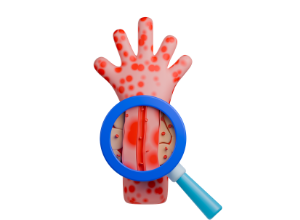
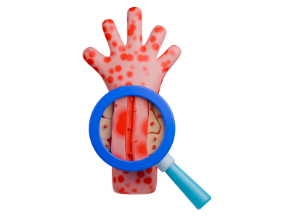
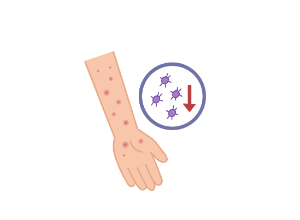
- Petechiae, small red or purple spots on the skin;
- Bruising more easily;
- Nosebleeds;
- Bleeding gums;
- Heavier periods in some women;
- Less commonly, more significant bleeding.
Signs of bleeding should prompt a medical assessment, particularly when the platelet count is very low.
Why do platelet counts fall in ITP?
ITP is linked to a malfunction of the immune system.
Normally, the immune system distinguishes the body’s own cells from foreign substances. In ITP, this process is disrupted: platelets are mistakenly identified as cells that need to be eliminated.
They are then destroyed more quickly, particularly in the spleen. Platelet production in the bone marrow may also be affected.
ITP is therefore classified as an autoimmune condition.
It is important to distinguish ITP from other causes of thrombocytopenia, the medical term for a low platelet count. Diagnosis therefore involves assessing clinical findings and laboratory results, and ruling out other possible causes.
How is ITP diagnosed?
The diagnosis of immune thrombocytopenia is mainly based on a medical assessment and blood tests.
A full blood count (FBC) measures the number of platelets, among other things. Additional tests may be performed to look for another cause of the low platelet count.
The doctor also considers:
- Any symptoms;
- Medical history;
- Current medications;
- Blood test results;
- Any other abnormalities in the full blood count;
- The overall clinical situation.
Diagnosing ITP therefore requires distinguishing it from other causes of thrombocytopenia.
What platelet count can occur in ITP?
Platelet counts are expressed in G/L, meaning billions of platelets per litre.
However, decisions about care do not depend on a number alone. The doctor also considers any bleeding, the patient’s age, other medications, coexisting medical conditions and the overall clinical situation.
The French National Diagnosis and Care Protocol (PNDS) for adult ITP states that certain situations may justify treatment even when the platelet count is not extremely low. These include bleeding symptoms, preparation for certain invasive procedures, or the use of medications that affect blood clotting.
What treatments are available for ITP?
ITP treatment is tailored to each patient. It depends on factors such as the platelet count, whether bleeding is present, how the condition is progressing and any associated risk factors.
The aim is not necessarily to bring the platelet count back to normal in every case. Treatment focuses on maintaining a platelet count that helps reduce the risk of bleeding while minimising treatment side effects as much as possible.
Corticosteroids
Corticosteroids are among the first-line treatments for ITP in certain situations.
They reduce the immune system activity responsible for platelet destruction. In adults, the French PNDS describes the use of prednisone or dexamethasone, depending on the circumstances.
Corticosteroid treatment should be limited in duration whenever possible because prolonged use can cause side effects.
Intravenous immunoglobulin
Intravenous immunoglobulin (IVIg) may be used in certain situations, particularly when the platelet count needs to increase quickly or when significant bleeding is present.
It may be combined with corticosteroids, depending on the clinical situation.
Second-line treatments
When ITP persists, returns or does not respond adequately to initial treatment, a second-line treatment may be considered.
Depending on the circumstances, this may involve medications that stimulate platelet production or other treatments that target the immune system.
The choice depends on the patient’s individual circumstances, their response to previous treatments, associated risks and treatment goals. Treatment should therefore be personalised and decided jointly by the patient and their medical team.
Splenectomy
In certain persistent or chronic cases of ITP, a splenectomy, meaning surgical removal of the spleen, may be considered.
The decision depends on several factors and should be made with the specialist team, taking into account the course of the condition and previous treatments.
Is ITP a chronic condition?
The course of ITP varies from person to person.
Some patients may achieve remission, particularly when the condition has been recently diagnosed. In others, the low platelet count persists or returns after treatment is stopped.
ITP is described as chronic when it has lasted for more than a year. Ongoing medical monitoring allows regular assessment of the platelet count, any symptoms and how well treatments are tolerated.
ITP and the risk of bleeding
The main complication of ITP is the risk of bleeding associated with a reduced platelet count.
However, this risk varies depending on how low the platelet count is and the overall clinical situation. Particular care may be needed for people taking anticoagulants or antiplatelet medications, some older adults, or those preparing for surgery.
The French PNDS recommends reviewing medications that can affect blood clotting in certain situations. Non-steroidal anti-inflammatory drugs (NSAIDs) are also discouraged in the ongoing management of chronic ITP.
Can you live a normal life with ITP?
The impact of ITP varies depending on its form and how it progresses.
Some people have a low platelet count without significant symptoms and mainly require monitoring. Others may need regular treatment and specialist follow-up.
Care therefore goes beyond the platelet count. It also aims to preserve the patient’s quality of life, ability to work, social life and everyday activities.
When should you seek prompt medical attention?
If you have been diagnosed with ITP, unusual or significant bleeding should prompt you to seek medical advice quickly.
A very low platelet count accompanied by bleeding symptoms may require urgent care. The French PNDS for adults states that newly discovered thrombocytopenia with a platelet count below 20 G/L, or signs of bleeding, may justify urgent hospital admission, depending on the circumstances.
ITP: the importance of personalised follow-up
Immune thrombocytopenia requires care tailored to each patient. Follow-up helps monitor changes in the platelet count, identify any signs of bleeding and adjust treatment when necessary.
The primary care doctor and haematologist can work together to provide appropriate follow-up, particularly for persistent or chronic ITP.
FAQs about immune thrombocytopenia
What is ITP?
ITP, or immune thrombocytopenia, is an autoimmune condition characterised by a reduced number of platelets in the blood, partly due to increased platelet destruction by the immune system.
What are the main symptoms of ITP?
ITP may cause no symptoms. When symptoms occur, they may include petechiae, bruising, nosebleeds, bleeding gums or heavy periods.
Is ITP a serious condition?
The severity of ITP depends on factors such as how low the platelet count is, whether bleeding is present and the overall medical situation. Some cases require monitoring alone, while others need treatment.
How is ITP treated?
Depending on the situation, treatment may include corticosteroids, intravenous immunoglobulin or, in persistent cases, various second-line treatments. The doctor determines the approach based on the patient’s individual circumstances.
Can ITP go away?
Yes, its course varies. Some patients achieve remission, while others develop persistent or chronic ITP that requires long-term follow-up.
Can you have ITP with a normal platelet count?
By definition, ITP is associated with a low platelet count. A normal platelet count therefore means that thrombocytopenia is not currently present, although the condition may be in remission.
If you found this article helpful, feel free to give it a “Like” and share your thoughts and questions with the community in the comments below!
Take care!
 Facebook
 Twitter
Sources:
Haute Autorité de Santé (HAS) — Purpura thrombopénique immunologique de l’adulte, PNDS
Centre de Référence des Cytopénies Auto-Immunes de l’adulte (CeReCAI) — Synthèse à destination du médecin traitant – Purpura thrombopénique immunologique de l’adulte
Haute Autorité de Santé (HAS) — Purpura thrombopénique immunologique de l’enfant et de l’adolescen