






Alcohol and the desire to have children: what you need to know about fertility
Published Mar 7, 2026 • By Candice Salomé
A glass of wine with dinner, a cocktail with friends, a habit established over many years... Alcohol is part of everyday life for many people. However, when you start trying for a baby or become pregnant, an important question arises: what is the real impact of alcohol on reproductive health?
Female and male fertility, hormonal balance, egg and sperm quality, embryo implantation, and fetal development: scientific research shows that alcohol has a much greater impact than we imagine. Its effects may be subtle, gradual, and sometimes invisible... but they are very real.
So, is moderate consumption harmless? Should you stop drinking completely before trying to conceive? And why is there such a strong emphasis on taking precautions during pregnancy? We examine the effects of alcohol on fertility and reproduction in light of current scientific data.
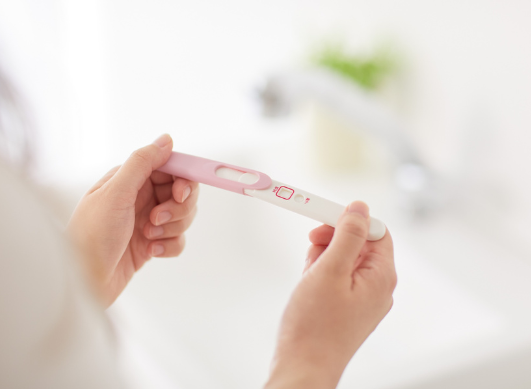
How does alcohol affect the reproductive system?
The impact of alcohol on sex hormones
The reproductive system is finely regulated by the hypothalamic-pituitary-gonadal axis, which controls the production of sex hormones. Alcohol disrupts this hormonal balance by acting at different levels of the brain and endocrine glands.
In women, regular alcohol consumption can alter estrogen and progesterone levels, disrupting the ovulatory cycle. In men, alcohol is associated with a decrease in testosterone and an increase in circulating estrogen, due in particular to impaired testicular function and a direct toxic effect on Leydig cells.
These hormonal imbalances can lead to fertility problems, decreased libido, and, in the long term, impaired reproductive function.
Alcohol and the menstrual cycle
Several studies have shown that regular alcohol consumption can cause irregularities in the menstrual cycle. Alcohol can disrupt ovulation by altering the secretion of luteinizing and follicle-stimulating hormones.
Some research suggests that moderate to heavy consumption increases the risk of anovulation, i.e., the absence of ovulation during a cycle. This disruption can reduce the chances of conception, even in the absence of other risk factors.
Alcohol and sperm quality
In men, alcohol directly affects spermatogenesis, the process of sperm production. Chronic consumption is associated with a decrease in sperm concentration, impaired sperm motility, and an increase in morphological abnormalities.
Research published in the journal Human Reproduction has shown that excessive alcohol consumption is correlated with a significant decline in sperm quality, particularly in terms of volume and count. Alcohol can also induce oxidative stress, which can damage sperm DNA, potentially affecting fertility and embryonic development.
Alcohol and fertility: what impact on conception?
In women: fertility and alcohol consumption
The relationship between alcohol and female fertility appears to be dose-dependent. Several epidemiological studies indicate that high alcohol consumption is associated with a decreased chance of conception and a delay in becoming pregnant.
Even moderate consumption may reduce the likelihood of pregnancy, particularly in women who already have fertility problems. Alcohol is also associated with an increased risk of early miscarriage, probably due to toxic effects on the egg and embryo implantation.
In men: fertility and alcohol
In men, alcohol can affect fertility through several mechanisms. In addition to impairing sperm quality, it is associated with erectile dysfunction and decreased libido, linked to hormonal changes and neurological effects.
Studies also suggest that alcohol may induce epigenetic changes in sperm, which could influence the health of offspring. These findings reinforce the idea that reproductive health is not only a concern for the future mother, but also for the future father.
Alcohol and assisted reproductive technology (ART)
In the context of medically assisted reproduction, alcohol consumption can influence success rates. Some studies have observed a decrease in implantation and pregnancy rates among couples who regularly consume alcohol before an in vitro fertilization cycle.
Reducing or even stopping alcohol consumption several months before attempting to conceive is often recommended in order to optimize the chances of success.
Alcohol and pregnancy: what are the risks for the fetus?
Fetal Alcohol Syndrome
Prenatal exposure to alcohol can lead to disorders grouped under the term fetal alcohol spectrum disorders (FASD). Fetal Alcohol Syndrome is the most severe form.
Alcohol easily crosses the placental barrier. The fetus, whose liver is immature, cannot metabolize alcohol efficiently, resulting in prolonged exposure. The consequences can include characteristic facial abnormalities, growth retardation, and lasting neurodevelopmental impairments, including cognitive and behavioral disorders.
According to the World Health Organization, alcohol is one of the leading preventable causes of non-genetic intellectual disability.
Is there a safe drinking limit?
To date, no level of alcohol consumption during pregnancy has been identified as completely safe. The recommendations of local and international health authorities are based on a clear precautionary principle: zero alcohol during pregnancy.
Even occasional consumption could pose a risk, as fetal sensitivity varies depending on the stage of development and individual factors.
Long-term effects on reproductive health
Libido disorders and sexual dysfunction
In the short term, alcohol can give the impression of disinhibition and increased desire. However, in the long term, regular consumption is associated with libido disorders and sexual dysfunction in both men and women.
In men, erectile dysfunction is common in cases of chronic consumption. In women, alcohol can interfere with sexual arousal and lubrication, particularly due to hormonal imbalances and neurological effects.
Alcohol and early menopause
Some studies suggest that excessive alcohol consumption may be associated with accelerated reproductive aging. Although the data are still debated, links have been observed between alcohol and impaired ovarian reserve.
Alcohol may contribute to increased oxidative stress in the ovaries, contributing to a more rapid decline in the number and quality of oocytes.
Reducing risks: what recommendations?
Before planning a pregnancy
When planning to have a baby, it is recommended that both women and men limit the consumption or even stop drinking alcohol. Gamete production takes several weeks to several months, which means that changing drinking habits can improve egg and sperm quality.
Adopting a healthy lifestyle, including a balanced diet, regular physical activity, and reducing toxic substances, helps optimize fertility.
Support and prevention
Healthcare professionals play a key role in providing information and promoting prevention. Addressing alcohol consumption in a non-judgmental manner encourages informed reflection, particularly among people of childbearing age.
Awareness is essential, as many people still underestimate the impact of alcohol on reproductive health. Fertility is a sensitive indicator of overall health.
Conclusion
The effects of alcohol on reproductive health affect both women and men. Hormonal imbalances, impaired gamete quality, reduced chances of conception, and risks to fetal development: scientific data points to a clear conclusion.
While occasional consumption by a healthy adult may seem harmless, its impact on fertility and pregnancy deserves special attention. When planning to have children, caution is advised. Reproductive health begins well before conception, and every lifestyle choice can play a role in the reproductive future and health of future generations.
If you found this article helpful, feel free to give it a “Like” and share your thoughts and questions with the community in the comments below!
Take care!
 Facebook
 Twitter
Comments
You will also like


What are the dangers associated with the over-the-counter sale of certain medicines?
Dec 19, 2020 • 6 comments