






Why spring changes your mood, energy, and body more than you think
Published May 23, 2026 • Updated May 28, 2026 • By Candice Salomé
When spring comes, many people notice changes that can be difficult to explain.
Some experience a burst of energy, while others feel unusually tired. Mood shifts, fluctuating motivation, and changes in emotional balance are also common.
These sensations can feel surprising, especially when they appear without any obvious reason. Yet they often reflect a biological reality: the body is adapting to a new environment.
We explain it all in this article!
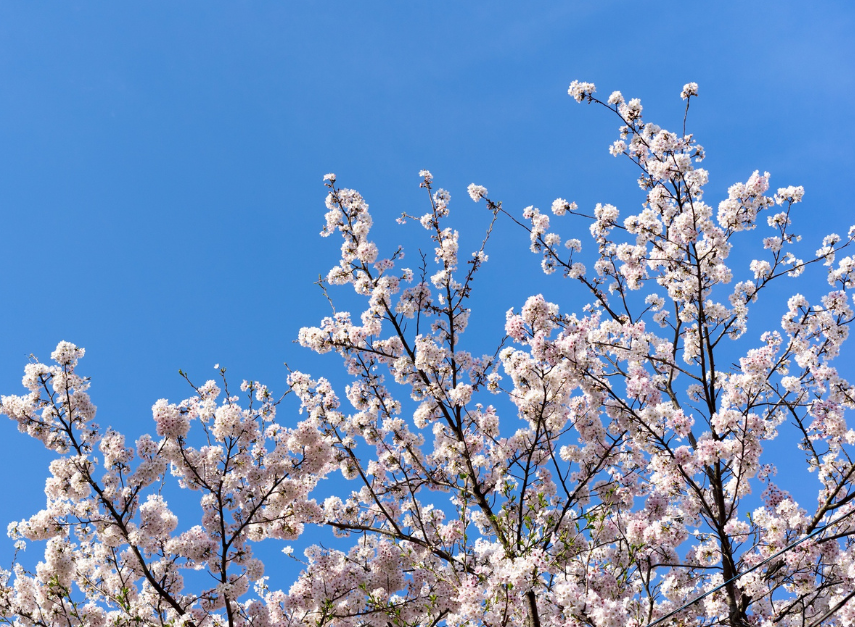
The body and seasonal changes: A constant state of adjustment
Our bodies operate according to internal rhythms known as biological rhythms.
These rhythms are influenced by external factors such as light, temperature, and the length of the day.
Spring marks a major transition:
- days become longer
- temperatures rise
- exposure to daylight changes rapidly
The body therefore has to recalibrate several systems at once, which can create a temporary feeling of imbalance.
Light: The conductor of our internal clock
A direct influence on the body clock
Natural light plays a central role in regulating our internal clock.
In the brain, a structure called the suprachiasmatic nucleus synchronises our biological rhythms with the outside environment.
As daylight hours increase, this system has to readjust, which can take several days or even weeks.
Melatonin, serotonin… a new balance
Spring changes the production of several hormones:
- melatonin, which regulates sleep, decreases as light exposure increases
- serotonin, which plays a role in mood, tends to increase
This rebalancing can lead to:
- temporary sleep disturbances
- a feeling of being “out of sync”
- mood fluctuations
“Spring fatigue”: A real phenomenon
A period of physiological adjustment
Contrary to popular belief, spring does not always bring an immediate boost in energy.
The body has to adapt to new hormonal and biological rhythms. This transition period can result in temporary fatigue.
A temporary desynchronisation
Some people describe feeling out of step with their environment during spring.
This phenomenon is similar to mild jet lag: the body simply needs time to realign itself.
Mood in spring: Better… but not always stable
A well-documented positive effect
Increased daylight exposure is associated with improved mood in many people.
Light therapy is even used in the management of certain seasonal mood disorders.
An emotionally unstable period for some people
For others, however, this transition can instead bring:
- nervousness
- irritability
- anxiety
- emotional fluctuations
These reactions are linked to the nervous system adjusting to rapid environmental changes.
The nervous system: A body on alert
Spring can stimulate the nervous system by increasing overall bodily activity.
This can create a paradoxical feeling:
- more energy… but also more restlessness
- more motivation… but sometimes less emotional stability
In more sensitive individuals, this may lead to a sense of overwhelm or sensory overload.
Sleep: An easily disrupted balance
With increased daylight, the sleep-wake cycle can shift.
Some people struggle more to fall asleep or start waking earlier than usual.
Less restorative sleep can then:
- worsen fatigue
- affect mood
- reduce the body’s ability to recover
Allergies and inflammation: An indirect effect
Spring also brings the return of pollen.
In sensitive individuals, allergies may lead to:
- fatigue
- sleep disturbances
- respiratory discomfort
Even though these symptoms may seem minor, they can still affect overall well-being and emotional balance.
Spring and chronic illness: Stronger effects
For people living with chronic illnesses, these seasonal changes may feel more intense.
Because the body is already under strain, adapting to the season can worsen symptoms such as:
- fatigue
- pain
- sleep problems
This can create the feeling of being more physically or emotionally unbalanced than usual.
Why do we all react differently?
People respond to spring very differently from one another.
This depends on several factors, including:
- individual sensitivity
- level of fatigue
- stress levels
- environment
- overall health
Some people experience spring as a period of renewal, while others experience it as a more difficult transition.
Understanding these changes can make them easier to live with
Spring is not just a pleasant season. It is also a period of adjustment for the body.
Recognising that these changes are normal often makes them easier to accept.
Rather than expecting an immediate burst of energy, it may help to view spring as a transition period, one that allows the body to gradually find a new balance.
If you found this article helpful, feel free to give it a “Like” and share your thoughts and questions with the community in the comments below!
Take care!
 Facebook
 Twitter
Comments
You will also like


What are the dangers associated with the over-the-counter sale of certain medicines?
Dec 19, 2020 • 6 comments