






When geography determines your health: living with a rare disease far from specialized centers
Published Feb 28, 2026 • By Candice Salomé
Living with a rare disease is challenging enough in itself, but when geographical distance from referral centers and specialists is added to the mix, every medical appointment becomes an ordeal. Medical deserts, areas where healthcare provision is limited, complicate access to diagnosis, treatment, and regular follow-up care. Delays in treatment, travel fatigue, and impacts on the daily lives of patients and their families are all realities that highlight regional inequalities in healthcare.
This article explores how geography can influence your care pathway and what solutions exist to improve access to care despite distance.
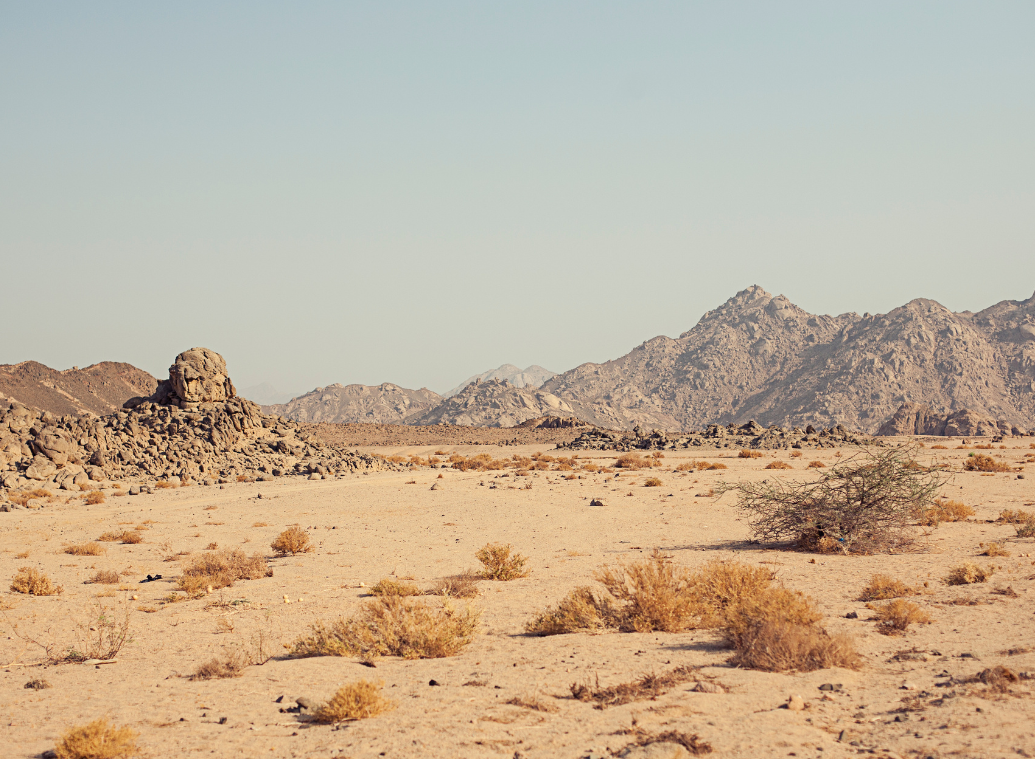
Medical deserts and their impact on rare diseases
What is a medical desert?
A medical desert is defined as a geographical area where healthcare provision is insufficient to meet the needs of the population. These areas are characterized by a low number of specialized healthcare professionals, limited access to hospitals and specialist centers, and long distances to travel to obtain care. Patients living in these regions face longer waiting times for consultations, high transportation costs, and more complex care coordination.
Rare diseases and regional inequalities
For people with rare diseases, these regional inequalities can have particularly serious consequences. Geographical distance complicates access to rare disease reference centers and specialized healthcare professionals, leading to delays in diagnosis and treatment. One study highlights that patients with rare diseases face multiple obstacles, ranging from long delays before being referred to a specialist to complex administrative and financial procedures to obtain a diagnosis and appropriate treatment.
How geography influences the care pathway
A patient's location often determines the quality and speed of their medical attention. With expert centers and specialized hospitals concentrated in certain large cities, patients in rural or outlying areas must travel long distances to access the consultations and treatments they need. According to a systematic review, place of residence is a major factor in inequality, impacting the availability of services and the coordination of care, which leads to significant differences in health opportunities and outcomes for patients with rare diseases.
Resources and specialized centers for rare diseases
Reference centers and expert centers
Reference and expert centers are responsible for ensuring optimal care for patients with rare diseases. They bring together multidisciplinary teams, guarantee standardized treatment protocols, and facilitate access to innovative treatments. However, identifying and traveling to these centers can be difficult for patients living in medical deserts, highlighting the importance of tailored solutions to overcome geographical barriers.
Specialized hospitals and professionals
The presence of specialized healthcare professionals is essential for monitoring, coordinating, and ensuring continuity of care. In rural or underserved areas, the lack of specialists increases the risk of delayed diagnosis and complications. A review published in the Orphanet Journal of Rare Diseases shows that patient caregivers are greatly impacted by the lack of local resources, which has a direct impact on patients' quality of life and continuity of care.
Solutions to improve access to care despite distance
Telehealth and remote medical monitoring
Teleconsultation reduces the impact of geographical distance by offering remote monitoring. Patients can consult specialists without traveling, share medical results, and receive tailored advice. This solution is particularly effective for patients living in isolated rural areas, and it is now being integrated into coordinated care pathways to ensure continuity and quality of treatment.
Strategies for patients living far from referral centers
For patients living far from specialist centers, it is essential to plan travel and coordinate appointments to optimize follow-up care. Some initiatives include mobile consultations, accommodation programs for patients and caregivers, and local partnerships to facilitate access to specialized care. Patients can also benefit from financial assistance and logistical support to reduce the burden of travel.
Patient testimonials and experiences
Experiences of patients in isolated areas
Patients living in medical deserts often report delays in diagnosis, long waits to see specialists, and increased fatigue due to frequent travel. These obstacles can cause stress, anxiety, and a sense of injustice regarding access to care. One study illustrates these difficulties, highlighting the social and medical consequences of remoteness for patients with rare diseases.
Solutions and practical advice
Many patients and caregivers find solutions to optimize their journey, such as coordinating consultations, using teleconsultation, and maintaining close communication with their medical teams. Family and community support also play a key role in managing the constraints of remoteness, reducing mental burden, and maintaining regular medical follow-up.
Conclusion
Medical deserts for rare diseases represent a major challenge for medical care, continuity of care, and the quality of life of patients and caregivers. The combination of reference centers, teleconsultations, logistical strategies, and family support can limit the negative impacts of geographical distance. Medical innovations and care coordination are essential to ensure that every patient, regardless of where they live, can benefit from rapid diagnosis and appropriate care.
If you found this article helpful, feel free to give it a “Like” and share your thoughts and questions with the community in the comments below!
Take care!
 Facebook
 Twitter
Lutter contre les déserts médicaux, Santé.Gouv
Déserts médicaux : analyser les besoins pour trouver des solutions, Harmonie Mutuelle

Comments
You will also like


What are the dangers associated with the over-the-counter sale of certain medicines?
Dec 19, 2020 • 6 comments