






When COPD makes you cough every day: What is happening in the lungs?
Published Jul 27, 2026 • By Somya Pokharna
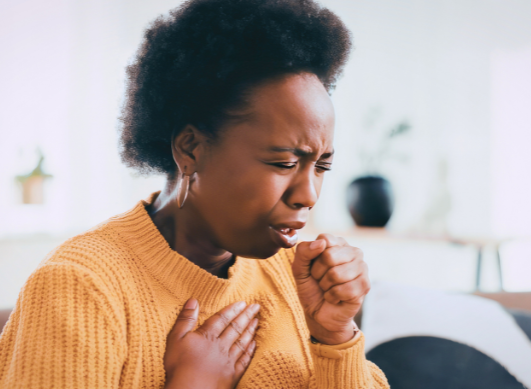
A chronic cough can be one of the most frustrating symptoms of COPD. It may interrupt sleep, make conversations harder, cause embarrassment in public, or leave the chest feeling tired and irritated.
In COPD, a persistent cough is not “just a habit”. It often reflects ongoing changes in the airways, mucus production, and the way the lungs try to clear irritation.
What is COPD?
COPD, or chronic obstructive pulmonary disease, is a long-term lung condition that makes it harder for air to move in and out of the lungs. It includes chronic bronchitis and emphysema, which can occur separately or together.
Common symptoms include breathlessness, wheezing, chest tightness, fatigue, frequent respiratory infections, and coughing, sometimes with phlegm or mucus. Symptoms often develop gradually, which can make them easy to dismiss at first.
Why does COPD cause coughing?
Coughing is one of the body’s ways of protecting the lungs. It helps clear mucus, irritants, and particles from the airways. In COPD, this protective reflex can become persistent because the airways are chronically irritated or inflamed.
Long-term exposure to irritants, such as cigarette smoke, air pollution, dust, fumes, or workplace chemicals, can damage the airways. This can lead to swelling, narrowing, and increased mucus production. As the airways become more sensitive, even small triggers may set off coughing.
For some people, the cough is dry. For others, it brings up mucus, also called phlegm or sputum. A cough with mucus is especially common in chronic bronchitis, one of the main forms of COPD.
The role of mucus in COPD
Mucus is not always a bad thing. Healthy airways produce mucus to trap dust, germs, and irritants. Tiny hair-like structures called cilia usually help move this mucus out of the lungs.
In COPD, this system may not work as well. The airways can produce too much mucus, while damaged cilia may struggle to clear it properly. This can leave mucus sitting in the airways, where it becomes harder to move and may contribute to coughing, chest congestion, and breathlessness.
This can create a difficult cycle:
- irritated airways produce more mucus
- mucus is harder to clear
- coughing increases to try to remove it
- repeated coughing can further irritate the airways
This is one reason the cough can persist even when there is no active infection.
Why does the cough change during flare-ups?
A COPD flare-up, also called an exacerbation, is a period when symptoms become worse than usual. During a flare-up, cough may increase, phlegm may become thicker or change color, and breathlessness may worsen.
Flare-ups are often triggered by respiratory infections, air pollution, smoke, weather changes, or other irritants. They can sometimes require changes in treatment, so a sudden change in cough should not be ignored.
Warning signs to discuss urgently with a healthcare professional include:
- much worse breathlessness than usual
- more frequent or severe coughing
- a clear increase in mucus
- green, yellow, brown, or bloody phlegm
- fever, chills, or chest pain
- confusion, extreme fatigue, or bluish lips or fingers
Not every change means something serious is happening, but in COPD, changes in cough and mucus can be useful signals.
Can other conditions make the cough worse?
Yes. Not every cough in someone with COPD is caused only by COPD. Other common causes can overlap and make coughing more persistent.
These may include reflux, post-nasal drip, asthma, allergies, respiratory infections, bronchiectasis, or certain medicines. Some people may also cough more at night or in the morning because mucus has built up while lying down.
This is why a cough that changes, worsens, becomes painful, or feels different from usual deserves attention. Understanding the cause can help healthcare professionals decide whether it is part of COPD, a flare-up, or another issue that needs separate care.
What does chronic cough mean in daily life?
A chronic cough can affect much more than the lungs. It may disturb sleep, drain energy, make eating or speaking uncomfortable, or make people avoid social situations. Some people also feel judged if others assume the cough is contagious or linked only to smoking.
This emotional and social weight matters. COPD cough is a physical symptom, but it can also affect confidence, relationships, work, and quality of life. People should not have to minimize it just because it has become familiar.
FAQ
Is chronic cough always a symptom of COPD?
No. Chronic cough can have many causes, including asthma, reflux, allergies, infections, or some medicines. In COPD, it is common, but it should still be assessed in context.
Why do people with COPD cough up mucus?
COPD can irritate and inflame the airways, leading to excess mucus production. Coughing helps the lungs try to clear this mucus.
Is morning cough common in COPD?
Yes. Some people cough more in the morning because mucus can build up overnight while lying down.
Does a change in phlegm color matter?
It can. A change in amount, thickness, or color of phlegm may happen during a flare-up or infection and should be discussed with a healthcare professional, especially if symptoms worsen.
Can COPD cough improve?
It may improve when triggers are reduced, treatment is optimized, and flare-ups are prevented or managed. The right approach depends on the person’s symptoms, lung function, and overall health.
If you found this article helpful, feel free to give it a “Like” and share your thoughts and questions with the community in the comments below!
Take care!
 Facebook
 Twitter
Sources:
WHO. Chronic obstructive pulmonary disease fact sheet
NHLBI. COPD symptoms
NICE. Chronic obstructive pulmonary disease in over 16s: diagnosis and management
Agustí A, et al. Global Initiative for Chronic Obstructive Lung Disease 2023 report: executive summary
Choate R, et al. The burden of cough and phlegm in people with COPD
Kim V, Criner GJ. Chronic bronchitis and chronic obstructive pulmonary disease