






Hypervigilance: When the brain feels permanently on guard
Published Aug 8, 2026 • By Somya Pokharna
Hypervigilance can feel like living with an internal alarm system that never fully powers down. Even in a safe place, the brain may keep scanning for danger, changes in tone, sudden noises, exits, symptoms, or signs that something is about to go wrong.
This constant state of alert can be exhausting. Understanding hypervigilance can help make sense of the experience without blaming the person going through it.
What is hypervigilance?
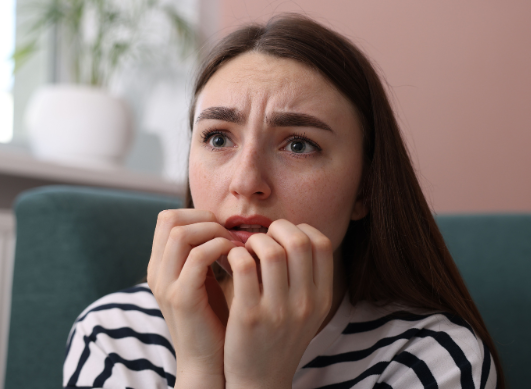
Hypervigilance is a state of heightened alertness. A person may feel constantly on edge, watchful, tense, or unable to relax. Their brain and body act as if a threat could appear at any moment, even when there is no immediate danger.
It is not a diagnosis on its own. Hypervigilance is a symptom or response that can appear in different contexts, including post-traumatic stress disorder, anxiety disorders, prolonged stress, unsafe environments, and sometimes chronic pain or long-term illness.
In small doses, alertness is protective. It helps us react quickly when something is genuinely dangerous. Hypervigilance becomes difficult when the alert system stays activated for too long and starts interfering with sleep, concentration, relationships, or daily life.
Why does the brain stay on high alert?
The brain is designed to notice danger. When it detects a threat, the nervous system can trigger a stress response: faster heartbeat, muscle tension, sharper attention, and readiness to fight, flee, freeze, or protect oneself.
After trauma, repeated stress, or prolonged uncertainty, this system may become more sensitive. The brain may start treating neutral situations as potentially unsafe. A sound, a look, a message, a physical sensation, or a crowded place can feel loaded with risk.
This does not mean someone is "overreacting." It means the threat-detection system may have learned to stay prepared. In the short term, this can feel protective. Over time, it can become draining.
What can hypervigilance feel like?
Hypervigilance can show up mentally, physically, emotionally, and socially. It may look different from one person to another.
Common experiences include:
- constantly scanning the room or checking exits
- feeling jumpy or easily startled
- noticing small changes in someone’s tone, expression, or behaviour
- difficulty sleeping or feeling unsafe at night
- muscle tension, headaches, stomach discomfort, or fatigue
- trouble concentrating because attention keeps shifting to possible threats
- feeling irritable, restless, or unable to settle
- avoiding certain places, people, conversations, or situations
- repeatedly checking symptoms, locks, messages, or the environment
Some people describe it as never being able to “switch off." Others may not notice the hypervigilance itself, only the exhaustion that comes after it.
How can hypervigilance affect daily life?
Hypervigilance can take up a lot of mental space. Everyday situations may require more energy than they seem to from the outside: traveling, sitting in a busy room, answering messages, attending medical appointments, or trying to sleep in an unfamiliar place.
It can also affect relationships. Someone who is hypervigilant may read danger into pauses, facial expressions, silence, or small changes in behavior. This is not because they want conflict. Often, the brain is trying to predict harm before it happens.
In people living with chronic illness or chronic pain, hypervigilance may also focus on the body. A person may constantly monitor symptoms, fear a flare-up, or feel unable to trust physical sensations. This can be especially difficult when symptoms are unpredictable or have previously been dismissed.
Is hypervigilance always linked to trauma?
No. Hypervigilance is often discussed in relation to trauma and PTSD, but it can also appear with anxiety, panic, long-term stress, unstable living situations, burnout, chronic pain, or repeated experiences of not feeling safe.
For some people, it develops after a specific event. For others, it builds slowly after months or years of pressure, illness, discrimination, caregiving strain, medical uncertainty, or emotional stress.
The context matters. Hypervigilance is not a character flaw. It is often the nervous system trying to protect someone based on what it has learned.
What can help reduce hypervigilance?
Support depends on the cause, intensity, and impact of the hypervigilance. When it is linked to trauma, PTSD, anxiety, or chronic stress, professional support can be important. This may include trauma-focused therapy, cognitive behavioral therapy, other evidence-based psychological therapies, or medication in some cases.
In daily life, some people find it helpful to work on small ways of signaling safety to the body. This might include grounding techniques, predictable routines, reducing avoidable triggers, sleep support, gentle movement, or learning to notice the difference between “danger now” and “danger remembered”.
These tools are not about forcing someone to calm down. They are about helping the nervous system gradually learn that it does not have to stay on duty all the time.
When should someone seek help?
It may be worth seeking support if hypervigilance is affecting sleep, relationships, work, studies, medical care, or the ability to rest. Support is also important if it follows a traumatic event, causes panic, leads to avoidance, or makes someone feel unsafe even when they are not in immediate danger.
If someone is in immediate danger, feels unable to stay safe, or is at risk of harming themselves or someone else, emergency help should be sought immediately.
FAQ
Is hypervigilance the same as anxiety?
Not exactly. Hypervigilance can be part of anxiety, but it specifically refers to being highly alert to possible threats. Anxiety may also include worry, panic, fear, or physical symptoms.
Is hypervigilance a symptom of PTSD?
Yes, hypervigilance can be one symptom of PTSD. However, not everyone with hypervigilance has PTSD.
Can hypervigilance cause tiredness?
Yes. Staying alert for long periods uses a lot of mental and physical energy. This can lead to fatigue, poor sleep, muscle tension, and difficulty concentrating.
Can chronic illness make hypervigilance worse?
It can for some people. Unpredictable symptoms, past medical trauma, flare-ups, or feeling dismissed can make someone more watchful of body sensations or warning signs.
Can hypervigilance improve?
Yes. The right support can help reduce hypervigilance over time. This may include therapy, trauma-informed care, stress-management strategies, sleep support, and addressing the underlying cause.
If you found this article helpful, feel free to give it a “Like” and share your thoughts and questions with the community in the comments below!
Take care!
 Facebook
 Twitter
Sources:
NICE. Post-traumatic stress disorder: recommendations
NIMH. Post-traumatic stress disorder
National Center for PTSD. PTSD and DSM-5
NCBI Bookshelf. Understanding the impact of trauma
Kimble M, et al. The impact of hypervigilance: evidence for a forward feedback loop
Shigetoh H, et al. Hypervigilance to pain affects activities of daily living

1 comment

You will also like



Bipolar Disorder: understanding the causes, diagnosis and getting the right treatment
Jan 21, 2020 • 10 comments

Fighting Schizophrenia Symptoms: a Long Journey Against Paranoia after Denial and being Admitted
Dec 12, 2018 • 6 comments