





COPD getting worse? 7 warning signs of a flare-up you shouldn't ignore
Published Nov 27, 2026 • By Razarutheen Mustafa
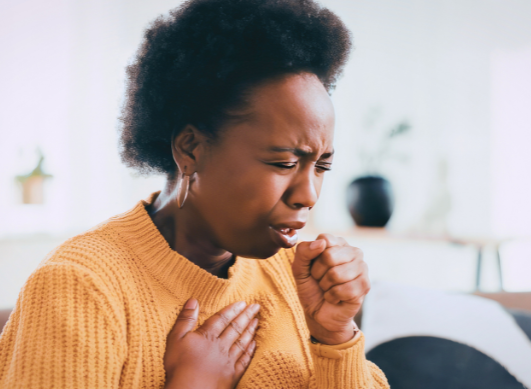
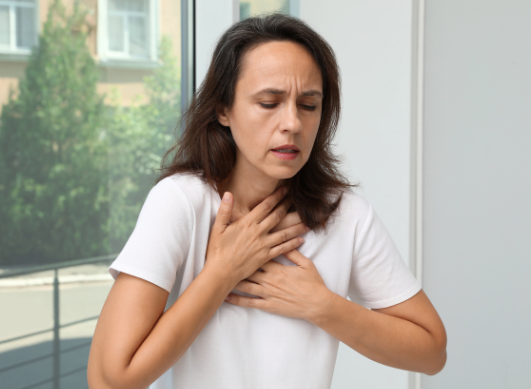
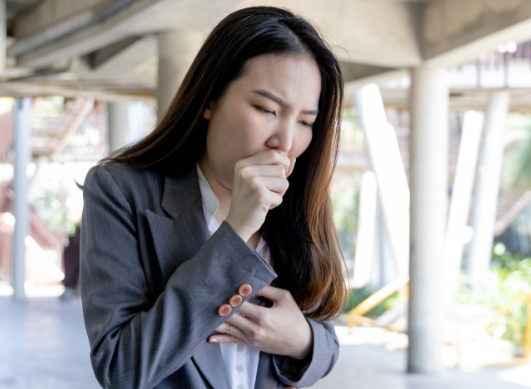
Living with chronic obstructive pulmonary disease (COPD) often means getting used to symptoms such as coughing, shortness of breath, and fatigue. But what happens when these symptoms suddenly become worse? How can you tell the difference between a difficult day and a COPD flare-up that needs medical attention?
Recognizing the early warning signs of worsening COPD can help you seek treatment sooner, manage flare-ups, and reduce the risk of serious complications. Here are seven changes worth paying attention to.
What happens when COPD gets worse?
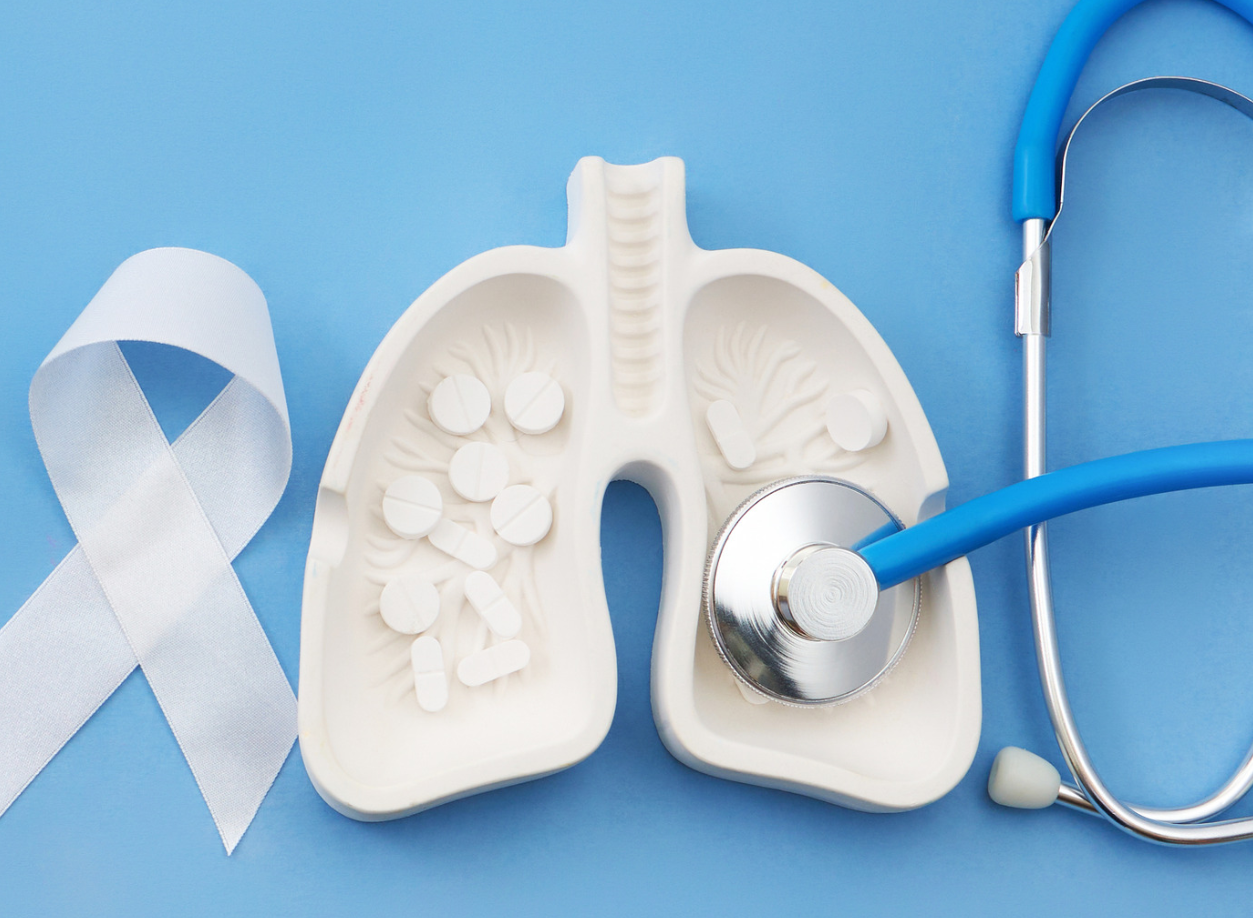
Chronic obstructive pulmonary disease (COPD) is a long-term lung condition that causes airflow obstruction, making breathing more difficult.
Although symptoms can vary from day to day, a sudden or sustained worsening may indicate a COPD exacerbation, also called a flare-up.
A flare-up occurs when symptoms become noticeably worse than usual, sometimes because of a respiratory infection, air pollution, or exposure to irritants.
You can learn more about the condition, its symptoms, and treatments in Carenity's COPD fact sheet.
What are the 7 warning signs that COPD is getting worse?
1. Feeling more short of breath than usual
Increased shortness of breath is one of the most important warning signs of a COPD flare-up.
You might notice that walking around the house, climbing stairs, or getting dressed leaves you more short of breath than usual.
If shortness of breath suddenly increases or interferes with everyday activities, contact your health care provider or COPD care team promptly.
2. A cough that becomes more frequent or intense
A persistent cough is common in COPD, but a noticeable change in coughing patterns may indicate worsening symptoms.
For example, you may find yourself coughing more often, particularly at night, or struggling to clear mucus.
Carenity explores this in COPD and persistent cough: Causes, triggers, and warning signs.
3. Changes in mucus color, thickness, or quantity
An increase in phlegm (sputum) or a change in its appearance can be another warning sign.
Mucus may become thicker, more difficult to clear, or change from its usual color to yellow or green.
These changes can sometimes suggest an infection, although mucus color alone cannot confirm a bacterial infection or determine whether antibiotics are needed.
4. More wheezing or chest tightness
Wheezing occurs when air moves through narrowed airways, producing a whistling sound during breathing.
If wheezing becomes more noticeable or your chest feels tighter than usual, your COPD symptoms may be worsening.
Sudden severe chest tightness or chest pain, particularly with difficulty breathing, requires emergency medical attention.
5. Unusual fatigue or difficulty completing everyday tasks
Living with COPD can already make certain activities tiring.
However, a sudden increase in exhaustion, particularly alongside worsening shortness of breath, may indicate a flare-up.
You may find it harder to prepare meals, walk short distances, or complete activities that were previously manageable.
These changes are worth discussing with your health care team.
6. Fever or symptoms of a respiratory infection
Respiratory infections, including colds, influenza, and pneumonia, can trigger COPD exacerbations.
Warning signs may include fever, chills, increased coughing, or worsening shortness of breath.
Not every COPD flare-up involves an infection, and not every infection requires antibiotics.
If you develop these symptoms, especially with worsening breathing, seek medical advice promptly.
7. Needing your rescue inhaler more often
If you find yourself using your rescue inhaler more frequently than usual, it may mean your symptoms are becoming less well controlled.
Pay attention if your usual treatment provides less relief or the effects do not last as long as expected.
Follow your personalized COPD action plan and contact your health care professional if your symptoms are not improving.
When should worsening COPD symptoms become an emergency?
Some changes require urgent medical attention rather than waiting for a routine appointment.
Call 911 immediately if you experience:
- Severe difficulty breathing, including gasping or being unable to speak in full sentences.
- Lips or fingernails turning blue or gray.
- Sudden confusion, severe disorientation, or reduced alertness.
- Severe chest tightness or chest pain, particularly if it spreads to the arms, back, neck, or jaw.
- Loss of consciousness or difficulty staying awake.
These symptoms may indicate a serious medical emergency.
For worsening shortness of breath, coughing up blood, new palpitations, or pain and swelling in one leg, seek urgent medical assessment. Do not wait for your next routine COPD appointment.
What should you do if you notice signs of a COPD flare-up?
Recognizing worsening symptoms early is important, but knowing what to do next matters just as much.
If you notice changes in your breathing, coughing, or mucus production:
- Follow your COPD action plan: Your health care team may have provided instructions for managing worsening symptoms.
- Use your prescribed inhalers correctly: Check that you understand when and how to use your maintenance and rescue treatments.
- Contact your health care provider or respiratory team promptly: Particularly if symptoms are more severe than usual or continue to worsen.
- Monitor your symptoms: Note changes in shortness of breath, coughing, sputum, and daily activities.
- Avoid known triggers where possible: Including smoke, dust, strong fumes, and air pollution.
Some people with COPD may be prescribed oral corticosteroids or antibiotics to use in certain circumstances when a flare-up occurs.
However, these medications should only be taken according to an individualized treatment or action plan agreed upon with a health care professional.
Not every COPD exacerbation requires antibiotics, and taking them unnecessarily can contribute to antibiotic resistance.
For more practical advice, read Carenity's article COPD: How can you manage it better?.
How can you prepare for your next COPD appointment?
If your symptoms have recently changed, keeping a short record can help your health care provider or pulmonologist assess your condition.
Before your appointment, consider noting:
- Shortness of breath: When it occurs and which activities have become more difficult.
- Coughing and mucus: Any changes in frequency, color, thickness, or quantity.
- Medication use: How often you need your rescue inhaler and whether it helps.
- Recent flare-ups: Any infections, additional treatments, emergency room visits, or hospitalizations.
- Possible triggers: Such as cold weather, pollution, or exposure to smoke.
You can also ask whether your inhaler technique, treatment plan, vaccinations, or eligibility for pulmonary rehabilitation should be reviewed.
If you experience repeated flare-ups, your health care team may recommend adjustments to your treatment or additional tests.
Living with COPD: you're not alone
Worrying about changes in breathing can be difficult, especially when symptoms affect your independence or daily routine.
The Carenity US COPD community provides a space where people living with COPD can exchange experiences about symptoms, treatments, flare-ups, and everyday challenges.
Reading other members' experiences may help you recognize questions worth raising with your doctor, although another person's symptoms or treatment response may differ from yours.
The most important thing is to know what is normal for you. A change in your usual COPD symptoms deserves attention, and seeking help early can make a difference.
Frequently Asked Questions
1. What are the first signs of a COPD flare-up?
Common early signs include increased shortness of breath, more coughing, changes in mucus, and greater fatigue than usual.
2. How do I know if my COPD is getting worse?
Watch for changes from your usual symptoms, particularly worsening shortness of breath, reduced ability to perform daily activities, and increased rescue inhaler use.
3. Can a COPD flare-up go away on its own?
Some mild flare-ups improve, but others require treatment. Follow your action plan and seek medical advice promptly if symptoms worsen.
4. Does green mucus always mean a COPD infection?
No. Green or yellow mucus can occur during a flare-up but does not automatically confirm a bacterial infection or mean antibiotics are necessary.
5. When should I go to the hospital for COPD symptoms?
Call 911 for severe breathing difficulties, sudden confusion or reduced alertness, blue or gray lips or fingernails, or serious chest pain. Other worsening symptoms should be assessed promptly by a health care professional.
If you found this article helpful, feel free to give it a “Like” and share your experiences or questions with the community in the comments below!
Take care!
 Facebook
 Twitter
Sources:
National Heart, Lung, and Blood Institute: COPD Symptoms
National Heart, Lung, and Blood Institute: COPD Treatment
American Lung Association: Prevent a COPD Exacerbation or Flare-Up