Tarlov cyst disease: “Don’t give up, you are not alone”
Published Nov 18, 2026 • By Léonie Guerut
Diagnosed in 2023, Chantal Beauvir saw pain and difficulties getting around gradually transform her daily life. This mother of three and grandmother of two had to give up hiking, adapt her working arrangements and eventually stop working. Supported by her loved ones and involved in AFMKT-France, where she serves as secretary, she wants to share her story so that people who are suffering and feel misunderstood know they are not alone.
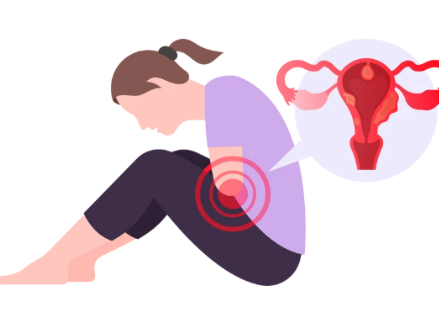
In 2023, a diagnosis after several months of pain
Chantal lives alone in Paris and works as a civil servant at the Ministry of the Interior. At the beginning of 2023, she had been experiencing intense pain in her neck and upper limbs for several months.
After an initial MRI scan, her doctor referred her to a neurosurgeon. According to the explanations she received, two Tarlov cysts in her cervical spine were causing the pain, paraesthesia and loss of sensation she was experiencing.
The specialist ordered further tests and prescribed pregabalin to try to relieve the pain, explaining its possible side effects.
At another appointment in April 2023, the diagnosis was confirmed. Chantal remembers a compassionate doctor who explained that he could not offer surgery in her situation. He also told her about the chronic nature of the disease and the possibility of alternating periods of severe pain and calmer spells.
The news shook her.
“The world kept turning as normal... the atmosphere in the street was the same... yet the words I had just heard kept going round and round me.”
Initial support at the pain management centre
As pregabalin did not provide relief, the neurosurgeon referred her to the hospital’s pain management centre.
Chantal attended an appointment there in August 2023. She describes an attentive consultation during which several options were presented to her: a transcutaneous electrical nerve stimulation device, or TENS, a new medication, Laroxyl, training in self-hypnosis, psychological support and physiotherapy.
She was also prescribed preparations to apply locally, without any guarantee that they would be effective.
She left feeling that she had several resources to help her face the disease. But in the months that followed, new symptoms unsettled that balance.
Leg pain and giving up hiking
At the end of 2023, Chantal began experiencing pain in her legs. Initially occasional, it became recurrent early the following year.
She describes sciatica-like pain, burning sensations and paraesthesia that reminded her of the symptoms already affecting her arms.
Very quickly, she had to give up the hikes she loved. Giving them up marked the first painful break with her previous life.
Further tests revealed two cysts in the sacral region, at S2 and S3. According to Chantal, the doctor treating her felt that these did not explain the pain in her legs and suggested a connection with the cervical cysts instead.
As Laroxyl did not bring the improvement she had hoped for, it was replaced with gabapentin. Despite gradually increasing the doses, she says she did not experience relief.
Preserving her mobility with her physiotherapist’s help
Since 2023, Chantal has received support from a physiotherapist who researched Tarlov disease to adapt her care.
She highlights his commitment to helping her retain as much mobility and muscle strength as possible. His empathy and gentle approach mean a great deal in a daily life marked by pain.
Despite this support, she began falling. At the end of 2024, Chantal started using a walking stick outdoors, followed by two crutches when the falls became more frequent.
Each new mobility aid represented another step she had to accept.
Today, she explains that she can only cover short distances with her two crutches. She also wears a foot-drop brace on her left foot, which drags when she walks. For other journeys, she uses a wheelchair.
Adapting her work, then having to stop
Travelling for work gradually became too difficult. Her managers allowed her to work from home full-time, before her working hours were reduced to half-time on medical grounds from June 2025.
Chantal continued working this way until April 2026. But the pain, disrupted nights, paraesthesia, tremors and disabling migraines eventually made working impossible.
She stopped working and applied for long-term sick leave.
This decision was particularly difficult to accept. Beyond her symptoms, she had to face the loss of an activity that gave structure to her daily life, alongside a growing loss of independence.
An appointment that felt like a turning point in her care
At the end of 2025, Chantal’s hospital follow-up was interrupted when the doctor treating her left for health reasons.
When she was offered a day-hospital assessment at the pain management centre, she had high hopes. She hoped to review how her difficulties had progressed, discuss new symptoms, including urinary leakage, and explore options for relief.
Instead, she experienced the day as an ordeal.
Chantal describes feeling rushed and insufficiently listened to during her conversations with the professionals. During the physiotherapy session, she reports pointing out her lack of stability before performing standing exercises. She says she then fell heavily and injured herself.
According to her account, her pain after the fall did not receive the attention she had expected.
She left with a referral letter to a neurologist, a prescription for her migraines and nonsensical recommendations for her physiotherapist. But she felt that the extent of her functional deterioration had not been fully recognised.
The experience left her deeply affected.
Nevertheless, she is keen to distinguish this appointment from the compassionate support she had received previously. For her, pain management centres remain important points of contact for people in pain. Above all, her account expresses the need to be heard and to have her difficulties taken seriously.
Daily life reorganised around help from loved ones
Since her diagnosis, Chantal has had to adapt many everyday tasks.
Her daughter and sister live nearby. They help her with shopping, cleaning and preparing meals, even cutting vegetables when this becomes too difficult.
Her two other children, who do not live in Paris, regularly check in on her. Her sister also picks her up at weekends so she can go out and enjoy the outdoors.
This support is essential, especially as her home is on the third floor of a building without a lift.
Going up and down the stairs has become dangerous. After several falls, Chantal now limits outings on her own to appointments with her physiotherapist. A rehousing application is underway, but the wait continues.
She recognises how fortunate she is to be able to rely on her family and friends, while pointing out that their help does not remove the difficulty of living with pain and a loss of independence.
“If I hadn’t had the support of my family and friends, I wouldn’t have managed.”
Accepting the need to ask for help, one step at a time
For Chantal, the disease requires a succession of adjustments.
It means learning to ask for help with tasks she used to do alone, accepting that she can no longer work, or using a wheelchair to continue going out and maintaining a social life.
These changes are not simply practical matters. They also affect her self-image and how she envisages the future.
Administrative procedures add to these difficulties. Chantal describes the refusals, appeals and delays she has encountered in her dealings with the departmental disability office, known in France as the MDPH.
In her experience in Paris, she describes response times of up to nine months. Obtaining the support she needs then becomes another battle to fight despite fatigue and pain.
Finding moments of calm despite the pain
Of the methods she has tried, TENS brought Chantal some relief for a while. She explains that it no longer has any effect for her.
She continues to practise relaxation, abdominal breathing and self-hypnosis. These approaches do not make her disease disappear, but they allow her to relax and temporarily shift her attention away from her suffering.
“It calms the mind, which is important when you’re suffering a great deal.”
The psychological support offered at the pain management centre also helped her considerably. Its interruption was therefore difficult to cope with.
Chantal hopes to regain access to this support. She considers it an important source of help in facing the emotional consequences of the disease and the changes it imposes.
AFMKT-France: discovering that she is not alone
Chantal joined AFMKT-France in June 2023, a few months after her diagnosis. She became its secretary in 2024.
Exchanging experiences with other people affected by the condition helps her better understand certain difficulties and feel less alone.
Her involvement on the committee also gives her an opportunity to take action. Together with Lidwine Larose, the association’s president, and Karen Bachelet, its treasurer, she wants to contribute to greater recognition of situations in which Tarlov cysts cause symptoms.
She stresses the need to raise awareness among healthcare professionals, develop dialogue with specialists and encourage better coordination of care.
Her aim is to ensure that people who are suffering, sometimes losing their independence, are not left isolated with their symptoms and questions.
Her message: do not face the disease alone
Chantal encourages people going through a similar situation to contact the association and seek support.
She particularly emphasises the importance of psychological support so that people do not have to carry the weight of pain, uncertainty and changes to daily life alone.
Anyone wishing to contact AFMKT-France can write to maladiedetarlov-france@sfr.fr.
Through her story, Chantal does not seek to minimise the difficulties. She knows how much effort it takes to ask for help, continue receiving care and make her situation heard. But she also wants to remind people that connections can be made and that mutual support can matter along the way.
“Don’t give up, you are not alone.”
Did you find this article useful? Feel free to click “Like” and share your questions or recipe ideas with the community in the comments.
Take care of yourself!
 Facebook
 Twitter

Comments
You will also like


Spoon theory: What is it and how can it help people living with chronic illness?
Apr 13, 2022 • 8 comments